
Hi friend,
In our last newsletter, I shared how we incorporate singing lessons into our homeschool rhythm. This week, I want to talk about nature study—a wonderful subject to enjoy as a family and one that can easily be adapted for each grade level.
In our family, we study one nature topic for 12 weeks. This builds familiarity and deeper knowledge. Younger and older children can enjoy factual picture books, while older students may go deeper with experiments, anatomy diagrams, models, dissections, or documentaries.
Don't forget to join a nature outing group for encouragement to get outdoors. If there isn't one in your area, start one—you only need one other family!
Charlotte Mason on nature study
“Our first thought with regard to Nature-knowledge is that the child should have a living personal acquaintance with the things he sees.”
— Charlotte Mason, Parents and Children, p. 231
“Every child has a natural interest in the living things about him which it is the business of his parents to encourage.”
— Charlotte Mason, Home Education, p. 58
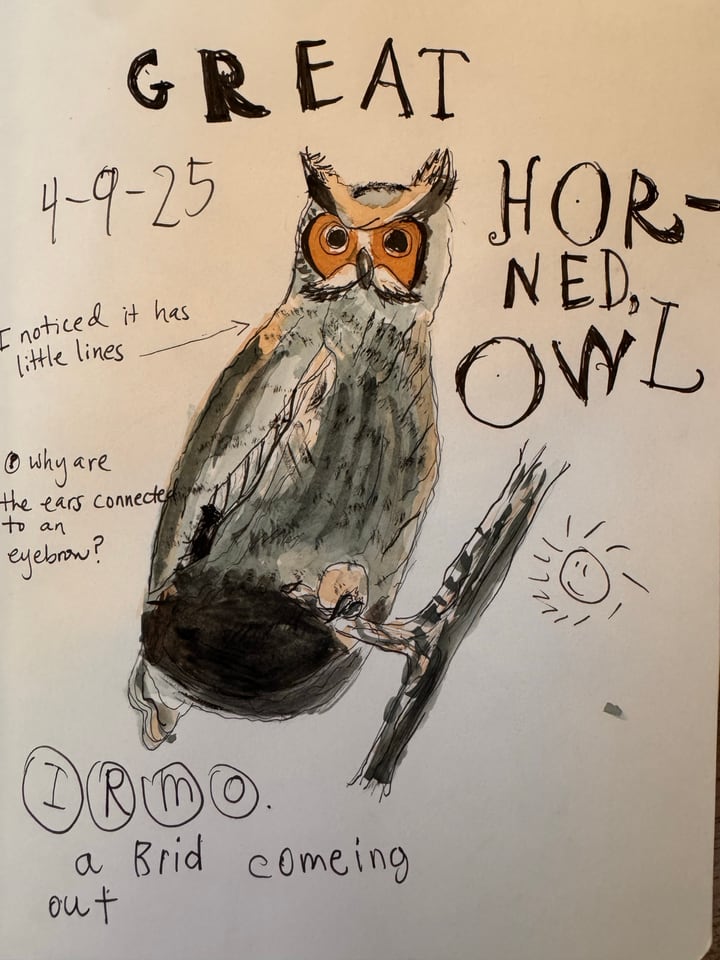
Nature journaling
Simple discovery, one page at a time
Nature journaling adds so much discovery in a simple way. A child can jot down what they noticed, what they wonder, and what the object reminds them of. It gives them room to slow down, look closely, and make their own connections with what they are studying.
A free resource for your family
Nature Study Quick Start Guide
I created this free guide for families who want a simple place to begin. Each topic includes an observation or nature-walk idea, a creative hands-on activity, and a nature journal suggestion, so you can choose one topic and explore it at your family’s own pace.
Animals: Birds, fishes, amphibians, reptiles, mammals, insects, and invertebrate animals other than insects
Plants: Wildflowers, weeds, garden flowers, cultivated crop plants, trees, and flowerless plants
Earth and water: Brooks, lakes, rivers, and oceans; rocks and minerals
Weather and sky: Climate and weather; the skies
What our family is reading
The Wind in the Willows
For our family read-aloud, we’re reading this abridged edition of The Wind in the Willows by Kenneth Grahame. It was a gift, and although we usually try to stick with unabridged books, I thought this version would be a fun way for all of us to enjoy the story while my youngest is still under six.
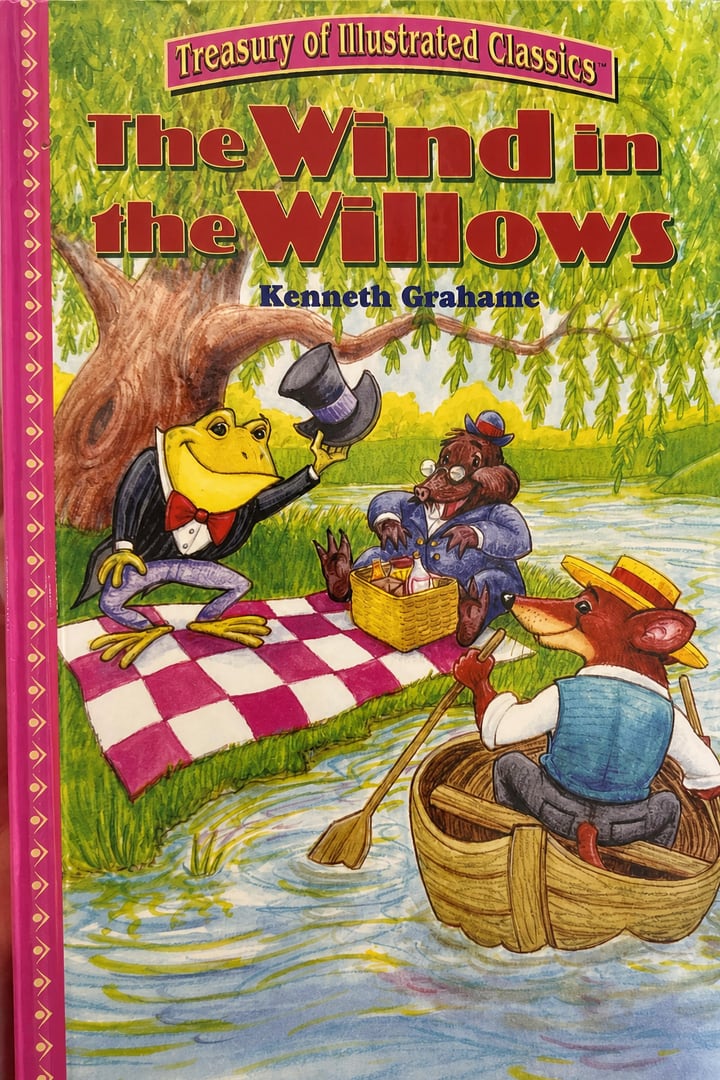
The lovely thing about stories is that children can return to them again and again. Just as they ask to watch a favorite movie over and over, they can ask for the same book and still delight in it each time. When my youngest is older, we can read the unabridged version together as a family, too.
A gentle encouragement
Nature study is often one of the practices that draws families to the Charlotte Mason method. It can be as simple as stepping outdoors, noticing something that interests your child, and following that curiosity a little further.
Warmly,
Scarlette
Fostering Wonder