

The Method of a Lesson
A new series on preparing thoughtfully and giving our children room to learn.
Hi friend,
When we sit down for a lesson with our children, there are small decisions to make: how to begin, how much to say, when to listen, and when to offer a little help. Charlotte Mason gives us guidance through this simple yet rich activity done in our lessons.
This week, I am beginning a series called The Method of a Lesson. Over the coming newsletters, we will look at five aspects of the reading-and-narration lesson Mason describes in Home Education and consider how they can guide our days at home.
“The art of standing aside to let a child develop the relations proper to him is the fine art of education, when the educator perceives the two things he must do and how to do these two things.”
—Charlotte Mason, School Education, Volume 3, p. 67
I understand those relations as the connections a child begins to form with a story, a person from history, an idea, or something in the natural world. These connections help children store the information learned into their long term memory.
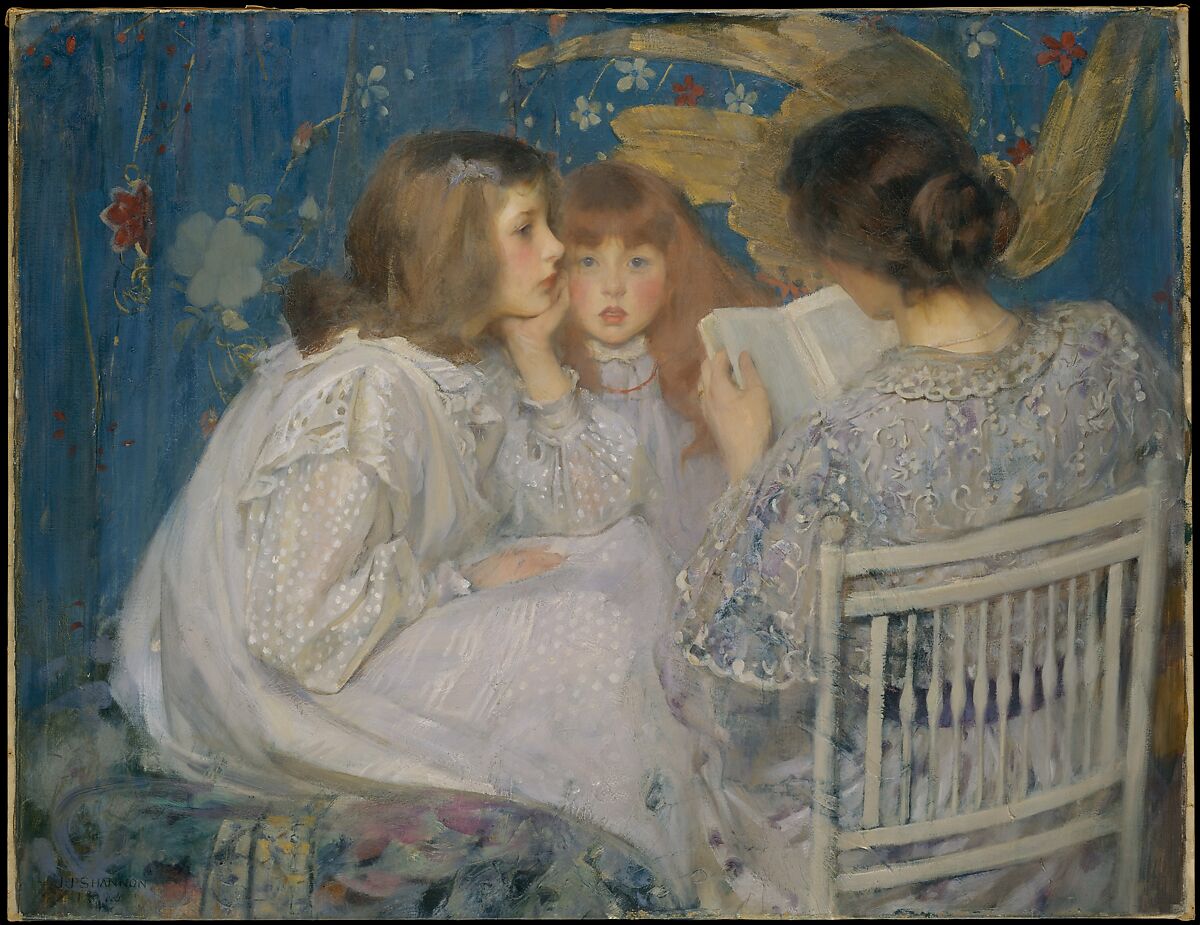
Standing aside asks us as the parents to do something that is contrary to what society has told us to do, which is to intervene and micromanage every aspect of our child's education. Our role as educators is to choose worthwhile books, prepare for the lesson, and offer guidance where it is needed. Then we give our children time to think and tell what they have understood. A quiet pause can leave room for a connection we could never make on their behalf.
What we will explore together
- Choosing the book: selecting a worthwhile book and reading it consecutively.
- Looking back: briefly reconnecting with the previous lesson.
- Looking ahead: awakening anticipation without revealing too much of the story.
- Reading and narration: giving full attention to the reading, then telling it back in their own words.
- Conversation afterward: making room to discuss and deepen understanding after narration.
My hope is that this series will help us approach our lessons with greater confidence when we understand the method of a lesson. For children six and older, try leaving a little space after a reading this week. With younger children, let narration remain voluntary. If your child is new to narrations, it's okay for them to have "small" narrations. Listen patiently as your child gathers their thoughts. You can learn so much from what information stood out to your child based on their narration.
In the next newsletter, we will begin with the book itself.
If you are looking for a Charlotte Mason approach to teaching language arts, the Fostering Wonder curriculum incorporates the reading and narration at the heart of the method of a lesson. With living books and thoughtfully planned lessons, it offers guidance as you put these ideas into practice with your children.
Explore samples and purchase the Fostering Wonder language arts curriculum.
Warmly,
Scarlette
Fostering Wonder
 YouTube
 Instagram