
Hi friend,
As many families begin planning for the next school year, it can be helpful to step back and ask a simple question:
What should a Charlotte Mason schedule actually include?
Charlotte Mason often described education as a feast. That does not mean every subject has to happen every day, or that the schedule should feel heavy. It means we are offering our children a wide, living education — good books, beautiful ideas, music, art, nature, skillful work, and time to wonder.
The core subjects in the feast
A full Charlotte Mason week may include language arts, history, picture study, art, foreign language, math, Bible reading, nature study, handicrafts, singing, hymns, folk songs, composer study, and music appreciation.
With Fostering Wonder English, families have support for language arts through narration, poetry, recitation, copywork, literature reading, dictation, and written narration as students grow older.
With Fostering Wonder History, students read living history books told in a narrative form instead of a textbook-fact-only approach. Geography and map work are built in where they fit naturally, and picture study is included with the history lessons.
With Fostering Wonder Spanish 1, families can also begin foreign language in a simple way, with more levels planned for the future.
What families can add alongside Fostering Wonder
Fostering Wonder is meant to help with peaceful, open-and-go core lessons, but it is not meant to replace every beautiful part of a Charlotte Mason education. Some subjects are best added gently around the curriculum in a way that fits your family.
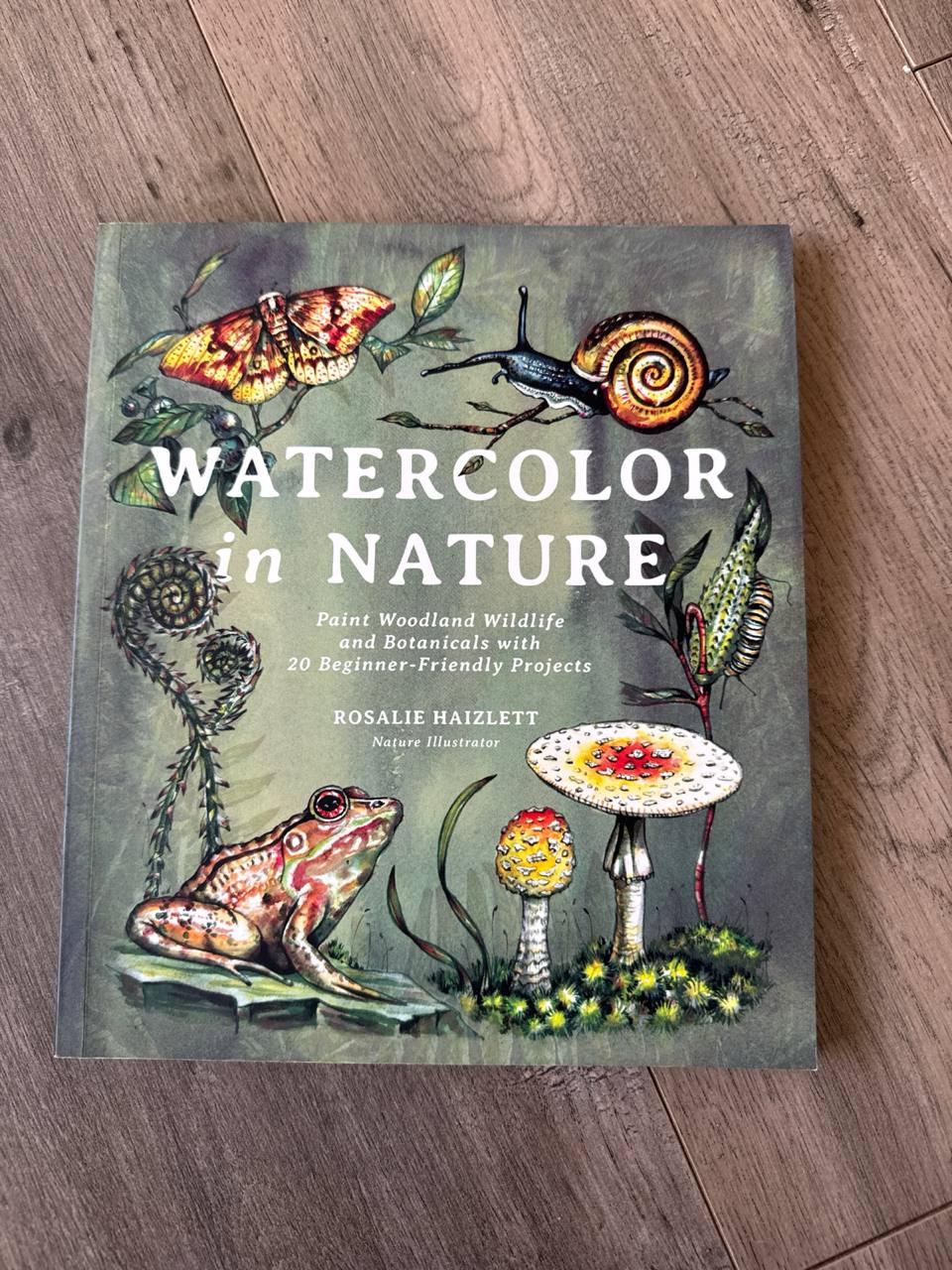
For art, we have enjoyed short brush drawing and color lessons. The Complete Collection: Drawing and Color Theory from Bestowing the Brush is especially nice for young children because the lessons are short and the directions are simple. As children get older, I also like adding watercolor work, and one watercolor book I like for older children is Watercolor in Nature: Paint Woodland Wildlife and Botanicals with 20 Beginner-Friendly Projects by Rosalie Haizlett.
For math, our family has used Singapore Primary Math since we began homeschooling. I use it in a Charlotte Mason way, keeping lessons short — often about 10 to 20 minutes depending on the age of the student — and beginning with tangible, hands-on understanding before moving into more abstract work.
For Bible, I prefer a very simple approach: reading straight through the actual Bible in short sections, then narrating and discussing together as a family. It does not have to be complicated to be meaningful.
Nature study
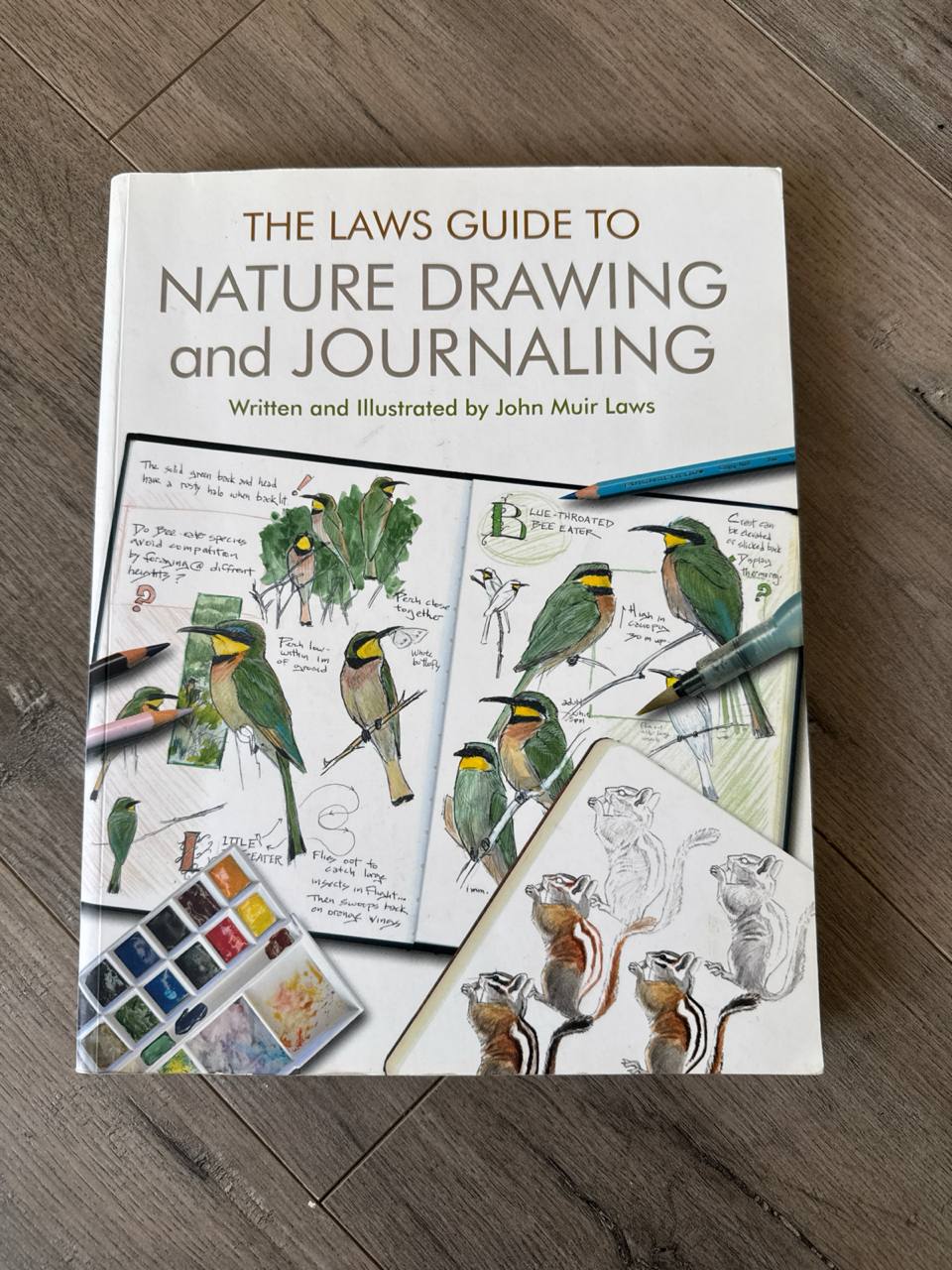
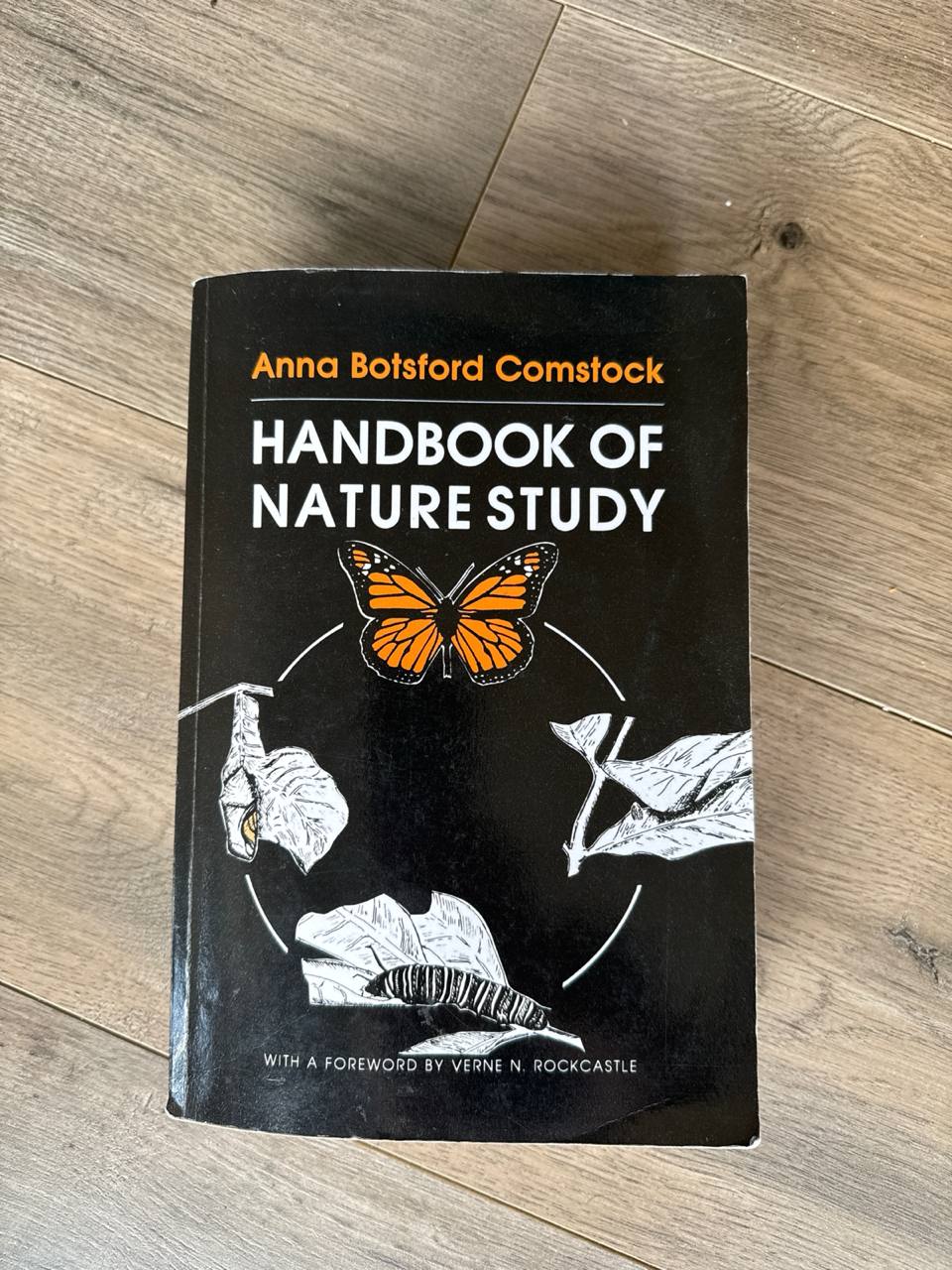
Nature study and nature journaling can also become a beautiful weekly habit. A simple nature journal, a small travel-size watercolor kit for each person, and a good nature study guide can go a long way. Two books I like for this are The Laws Guide to Nature Drawing and Journaling by John Muir Laws and Handbook of Nature Study by Anna Botsford Comstock.
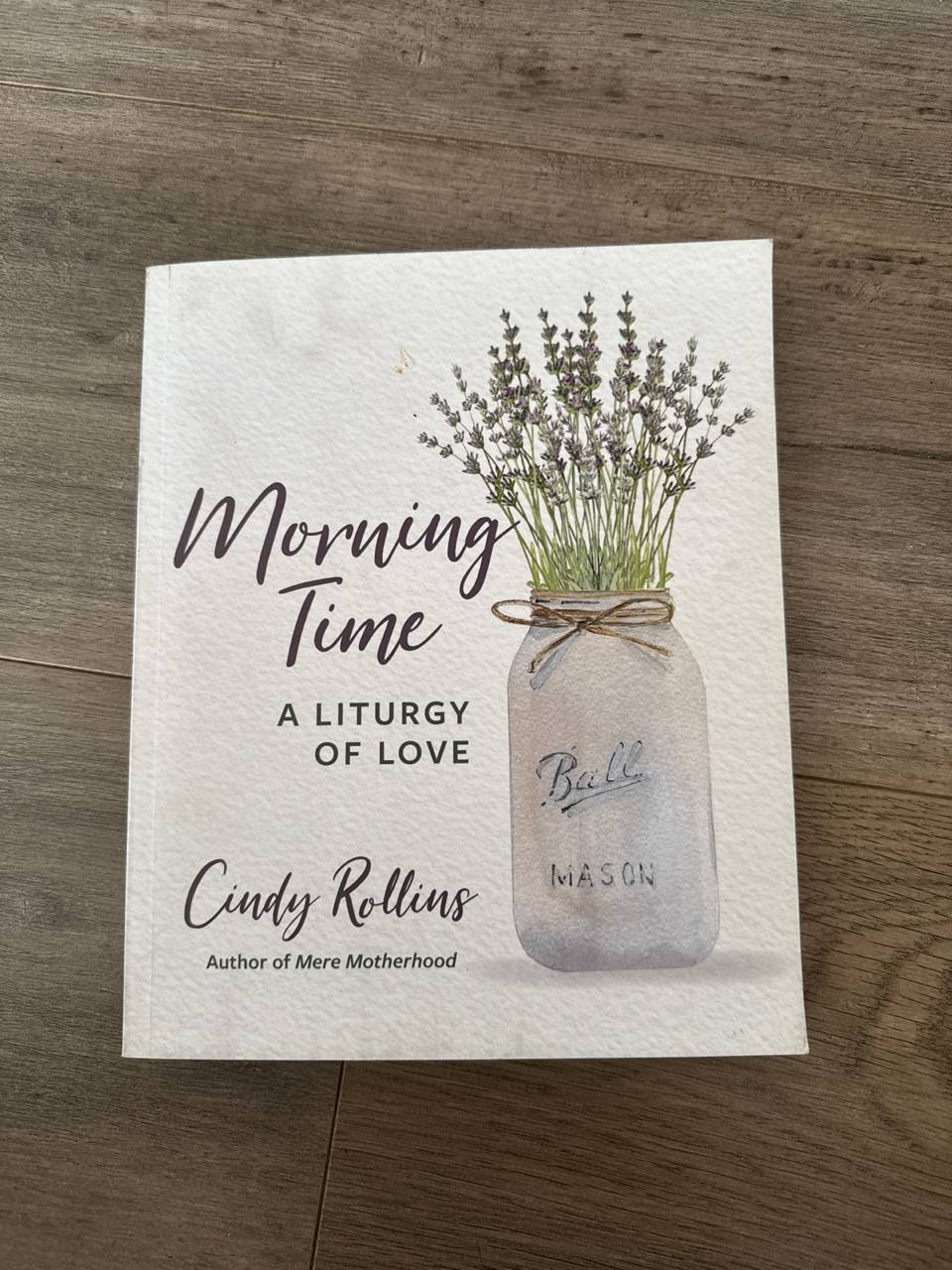
Handicrafts, singing and sol-fa, hymns, folk songs, composer study, and music appreciation can all be added in small, steady ways. For hymns and folk songs, I like referencing Morning Time: A Liturgy of Love by Cindy Rollins. These subjects do not need to take over the day. A short lesson, one song, a simple handmade project, or listening to a piece of music over lunch can still be part of the feast.
As children get older
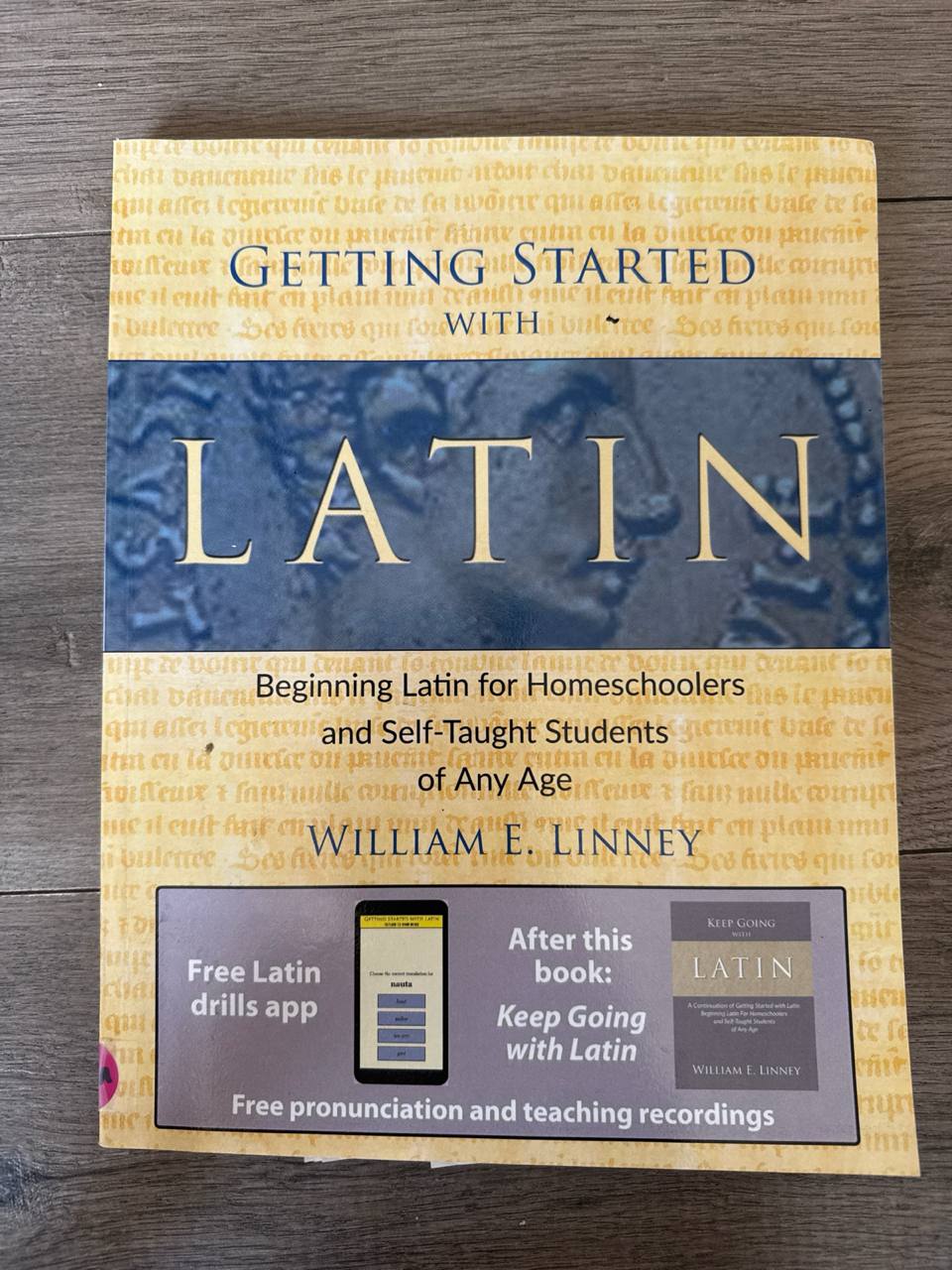
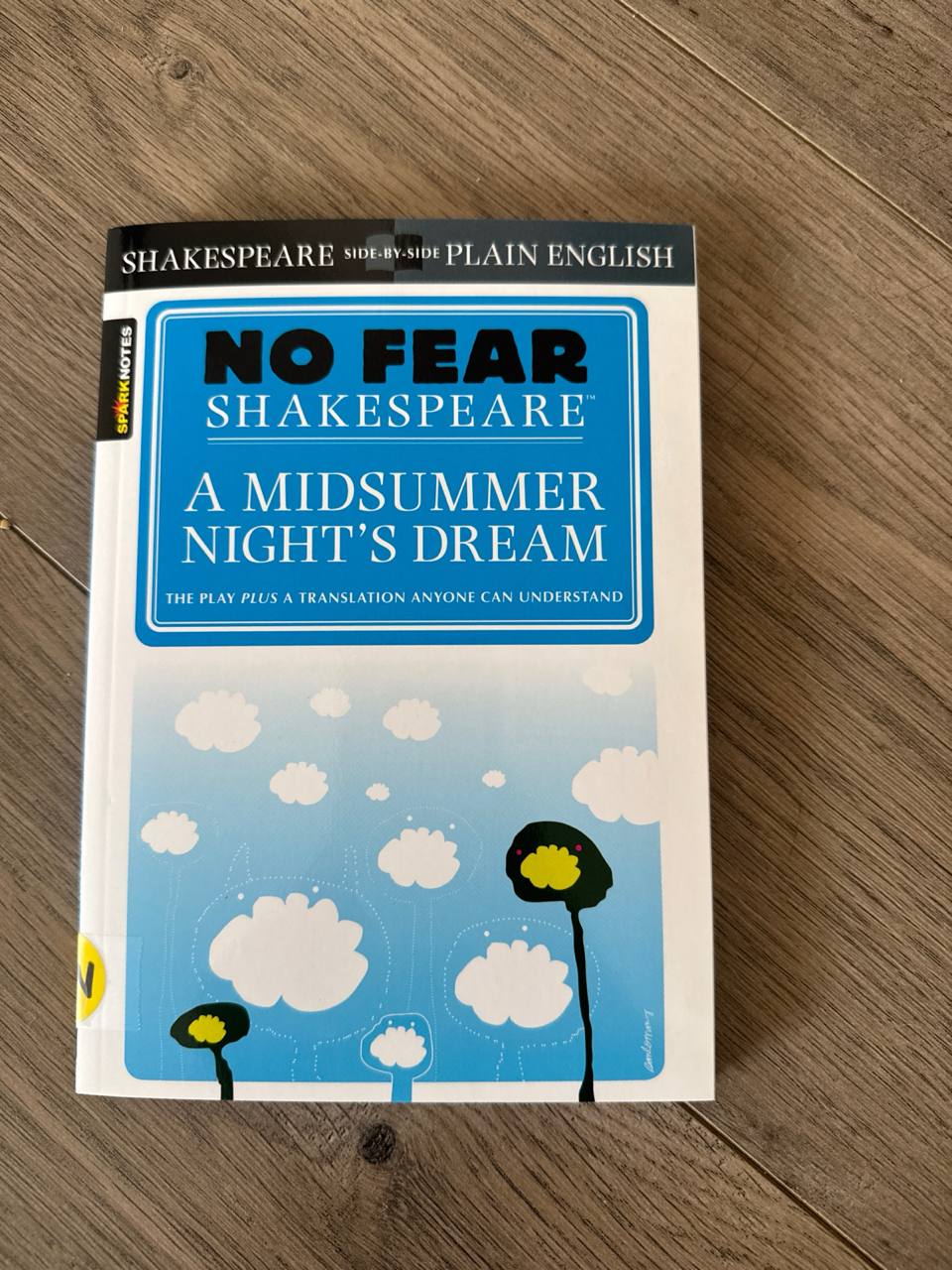
For older children, the feast grows with them. Lessons may begin to include Latin, written narration, dictation, writing their own poems or plays, written narrations within nature journal entries, lab work, fuller map work, Shakespeare, Plutarch, citizenship, and economics. For beginning Latin, I like Getting Started with Latin: Beginning Latin for Homeschoolers and Self-Taught Students of Any Age by William E. Linney. For Shakespeare, I like editions such as No Fear Shakespeare because they place the full original play beside a plain-English version, which can be helpful when students are beginning full Shakespeare plays. For economics, I also have a resource linked below for families who want to add that subject with older students.
This does not mean everything needs to be rushed into the schedule at once. Older students are simply ready for richer forms of the same living ideas: more responsibility, deeper reading, more careful writing, and a wider view of the world.
A simple reminder
A Charlotte Mason education is broad, but it does not have to be frantic.
Start with the core lessons. Keep them short. Add beauty slowly. Let some subjects happen daily and others happen weekly. The goal is not to check every possible box every day, but to faithfully spread a generous feast over the week.
If it would help you plan, you can use the Fostering Wonder family scheduler as you map out your lessons.
Resource links
Some links below may be affiliate links, including Amazon affiliate links. As an Amazon Associate, Fostering Wonder may earn from qualifying purchases at no extra cost to you.
- Bestowing the Brush — Drawing and Color Theory
- Watercolor in Nature
- Nature journal we use
- Travel-size watercolor kit
- The Laws Guide to Nature Drawing and Journaling
- Handbook of Nature Study
- Cozy Crafter Crates
- Sing Solfa for early years
- The Singing Family for older students
- Morning Time: A Liturgy of Love
- Getting Started with Latin
- No Fear Shakespeare: A Midsummer Night’s Dream
- Charlotte Mason’s Ourselves
- Economics resource
- Fostering Wonder family scheduler
Warmly,
Scarlette
Fostering Wonder