
Hi friend,
In our last newsletter, I shared some insight into how to incorporate geography lessons into your homeschool rhythm. This week, we will talk about incorporating Bible lessons, one of the chief subjects Charlotte Mason believed children should study.
“First and chiefest is the knowledge of God, to be got at most directly through the Bible; …”
— Charlotte Mason, A Philosophy of Education, p. 254
Many mothers wonder how they can incorporate their husbands into the homeschooling experience. Bible lessons are one way my family has been able to bring Dad along for the ride. We complete our Bible lesson as the last subject of the day, right before bedtime. My husband takes charge of these lessons and reads stories from the Bible to the children.
We started by reading one chapter from the Old Testament, followed by one chapter from the New Testament the next day. We quickly found that we preferred to stay with one book of the Bible and read it all the way through before moving to another. This helped with our children’s narrations and their comprehension of the material.
What Bible resource do we use, you might ask?
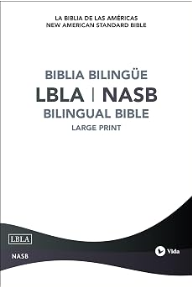
We read straight from the Bible. Although we sometimes enjoy short children’s stories from a children’s Bible, that is not our main resource. We like to use the NASB/LBLA Bilingual Bible. My grandmother taught me to read in Spanish by reading the Bible in Spanish, and I am continuing that same tradition with my children. One day, we read the Bible in English; the next, we read it in Spanish.
“The less talk the better; the story will sink in, and bring its own teaching.”
— Charlotte Mason, Home Education, p. 337
This advice from Charlotte Mason was hard to follow when I first transitioned from teaching in a public school classroom to homeschooling as a Charlotte Mason mama, but it has done wonders in helping my children take ownership of their education. I used to think that my children would not learn a specific concept I wanted them to understand unless I explicitly pointed it out to them. After trusting "the method" for four years, I can see its fruit: my children grasp the underlying meanings of deep passages without needing me to explain everything. This rings true with Bible lessons as well. I do correct factual mistakes when my children relate information from the Bible, but I don’t force them to recall a specific topic from the reading. We begin by recalling what we read last time, then read the passage for the day, take turns narrating, and finish with a "little talk" using open-ended questions to start a conversation.
We also enjoy using the book Sing the Bible by Randall Goodgame.
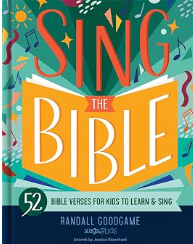
Randall Goodgame
It is a wonderful way to learn memory verses as a family, and I like that we practice the same verse throughout the week. If you are not familiar with Randall Goodgame, he is also the creator of Slugs & Bugs. We loved its first season, and it is a great Christian TV show for children.
A gentle encouragement
You do not need an elaborate plan or all the right explanations—simply open the Bible, read it together, and trust God’s Word to do its quiet work in your children’s hearts.
Warmly,
Scarlette
Fostering Wonder