
Choosing the Book
The Method of a Lesson
Hi friend,
I didn’t grow up with books. My parents worked a lot, so I spent most of my time with my grandmother and grandfather. They only spoke Spanish, and the only place I had access to books in English was at school. Even there, no one really encouraged us to pick up a book just for the enjoyment of reading it.
Now, with my own kids, I get to share wonderful stories with them. I love that a story can teach them something about the world and still be one they want to hear again. But when I’m choosing what we’ll read together, I keep coming back to this question: Are all the books out there worthy of my child’s time? And how do I tell the difference between a living book and what Charlotte Mason would call “twaddle”?
When I’m choosing a book for my children, one of the first things I look for is whether it’s enjoyable to read. A living book is written by someone who really cares about the subject, and you can hear it in the way they tell the story. It’s full of ideas my children can take hold of for themselves. They might make a connection to something they already know or come away curious enough to want to learn more.
When I think of what Charlotte Mason called “twaddle,” I think of books that spoon-feed children information. Dry textbooks that give one fact after another come to mind, as do books written by many different authors or contributors. We try our best to avoid the "twaddle" and only take in that which is worth our time.
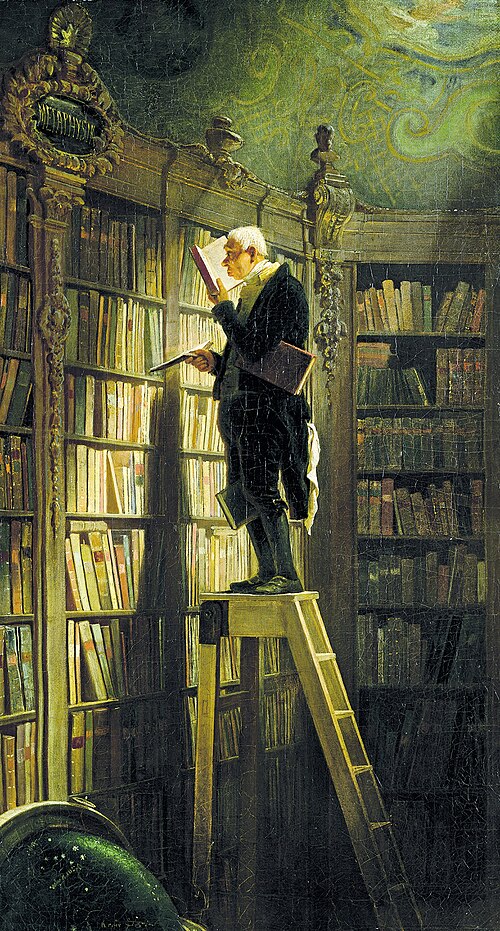
I’m especially fond of Penguin Classics. If I spot one on a shelf at the library or in a bookstore, I reach for it almost without thinking. I’ve brought quite a few home that way, and I’ve yet to finish one and think, “I could have left that one on the shelf.”
As much as I love the classics, a book doesn’t have to be old to be a living book. My children and I have found some wonderful stories written more recently, and I’ve lost count of how many times we’ve pulled them off our shelves to read again.
Two series we keep coming back to are The Wingfeather Saga and Harry Potter. Both spark my children’s imaginations and give them plenty to think about, especially what it means to be a good friend and to have courage.
Try one page
I once heard a simple way to get a feel for whether a book might be a living book. Pick up a book that looks interesting to you and read just one page. When you get to the bottom of that page, do you want to turn it? If you’re curious about what happens next or what else the author has to say, there’s a good chance you’ve picked up a living book.
Warmly,
Scarlette
Fostering Wonder
 YouTube
 Instagram
