
Hi friend,
In one of the last newsletters, I shared a broad overview of the subjects that can belong in a Charlotte Mason education and a few resources that have helped our family.
That made me want to begin a short series looking more closely at individual subjects — what they are, how we approach them in our home, and how they can be added without making the week feel too heavy.
Today I want to begin with brush drawing and art lessons.
A Charlotte Mason thought
"This is what we wish to do for children in teaching them to draw — to cause the eye to rest, not unconsciously, but consciously, on some object of beauty which will leave in their minds an image of delight for all their lives to come."
— Charlotte Mason, Home Education
I love that picture of art lessons. They are not just about producing a perfect finished page. They are about helping a child slow down, look carefully, notice beauty, and learn how to put what the eye is seeing onto paper.
Brush drawing is not the same as nature journaling
Brush drawing and art lessons are closely connected to nature journaling, but I do think they are different.
In nature journaling, I do not correct my children's drawings. Those entries are their own observations of nature, and I want them to feel free to record what they noticed in their own way.
In brush drawing or art lessons, we are teaching a specific skill. A child may learn how to notice the shape of a leaf, the curve of a stem, the shadow on a flower, or the way color changes across an object. Those skills can later help them make more careful and confident nature journal entries.
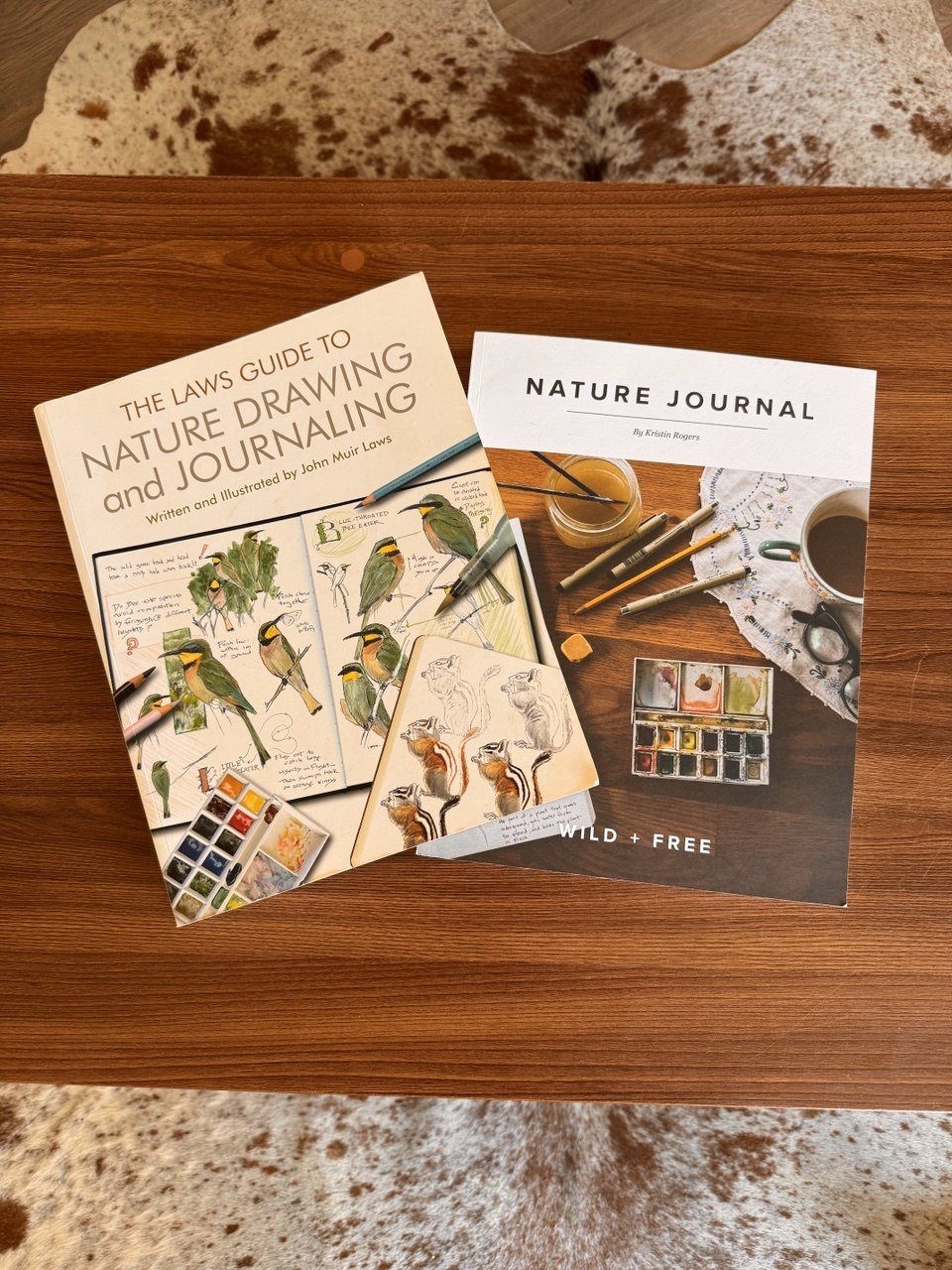
Many children struggle to begin a nature journal entry simply because they cannot yet put on paper what their eye is seeing. Art lessons can gently help with that.
How we have used art lessons at home
One resource we have enjoyed is Bestowing the Brush. I have used the courses offered through their website and found them very helpful. The lessons are short, simple, and focused on helping children pay attention to details — which is such an important part of a Charlotte Mason education.
I used these lessons with my oldest daughter when she was in first grade. My son, who was three at the time, and my youngest daughter, who was two, loved joining in too. That is one of the things I appreciate about art lessons: they can be done together as a family.
Some subjects are harder to do in a true family-style way while still keeping a Charlotte Mason approach. English and history usually need more grade-by-grade care. A six-year-old and a nine-year-old are not in the same place developmentally for literature, copywork, dictation, narration, and grammar. History also builds differently depending on the child's age and the order of the books being used. Charlotte Mason's method begins young students with British history before American history, because British history helps children understand the roots and beginnings of American history. That order is harder to preserve when several ages are combined into one family-style history rotation.
For that reason, Fostering Wonder English and History are designed by grade level rather than as family-style subjects.
But art lessons are different. A family can all focus on the same plant, mug, shell, flower, or sky, while each child works at a different level.
Keeping it simple
In the younger years, art lessons can be very short — often about ten minutes. As students grow in maturity and skill, the lessons can naturally take more time.
The goal is not to make art feel complicated. The goal is to give children steady opportunities to observe, practice, and grow in confidence.
A simple weekly rhythm could be one art lesson a week:
- one short brush drawing or drawing lesson each week
- one object from nature or the home to observe closely
- freedom for younger children to join at their own level
- a slightly more careful skill lesson for older students
Over time, those small lessons can help children see ordinary objects with more attention and delight.
Resources we have used or enjoyed
Some links below may be affiliate links, including Amazon affiliate links. As an Amazon Associate, Fostering Wonder may earn from qualifying purchases at no extra cost to you.
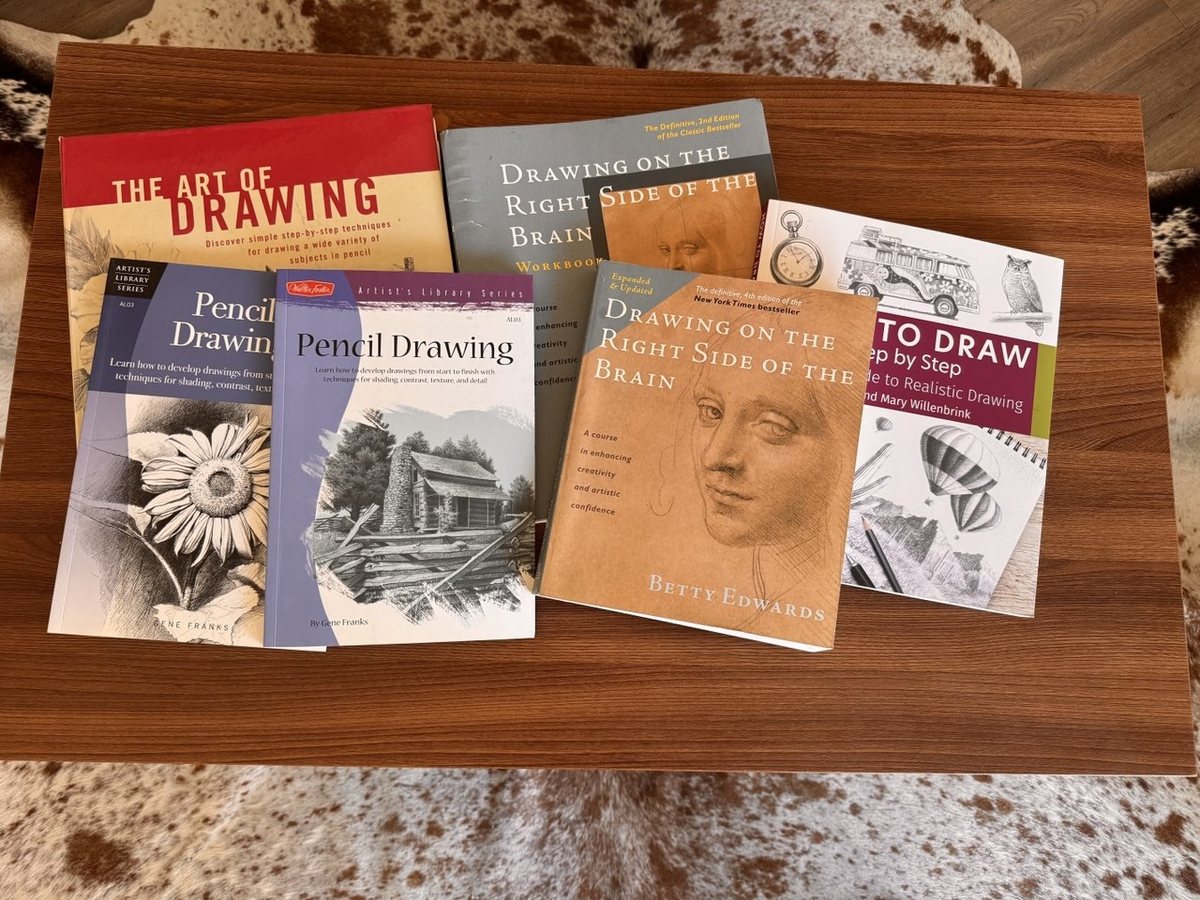
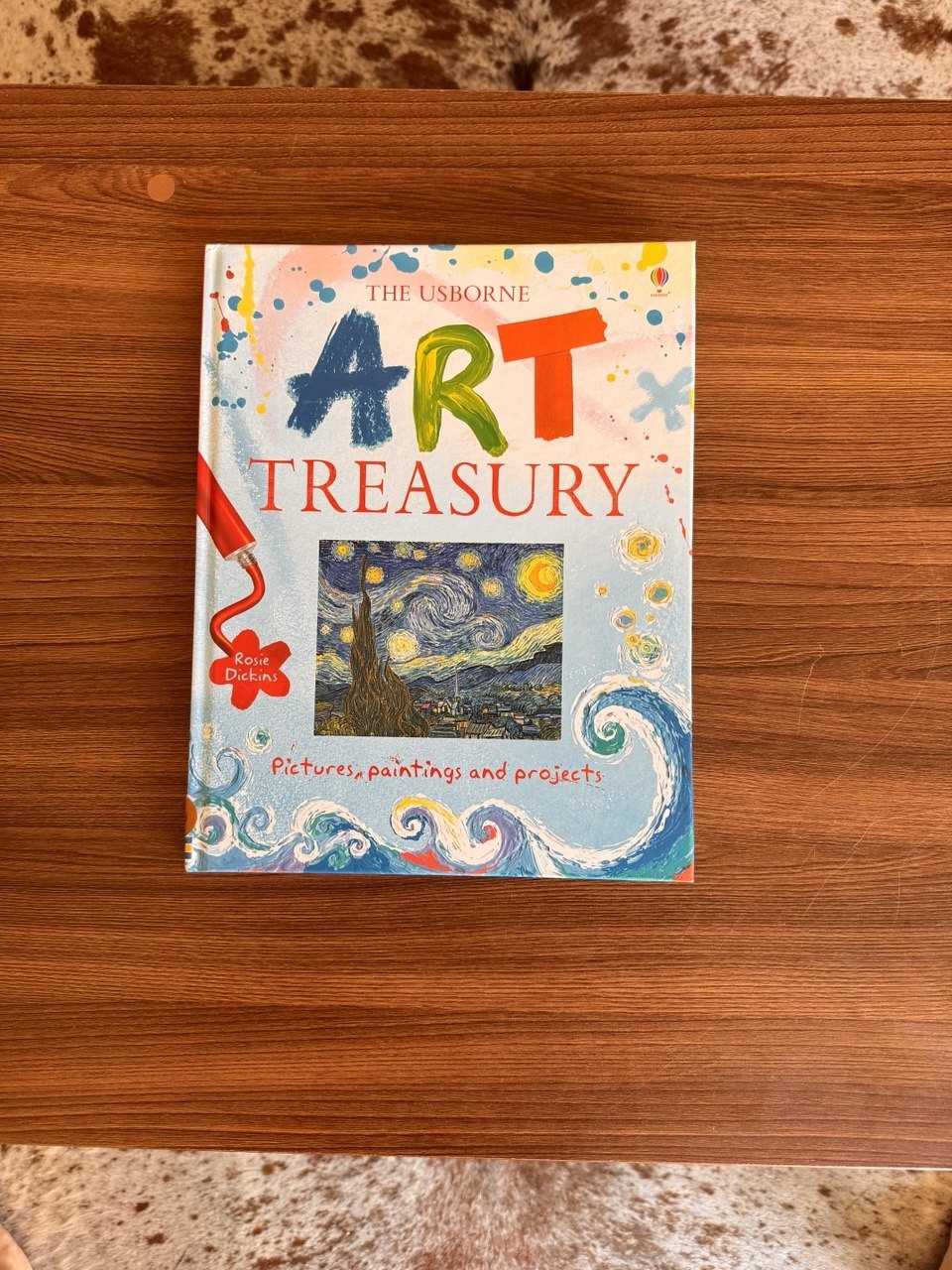
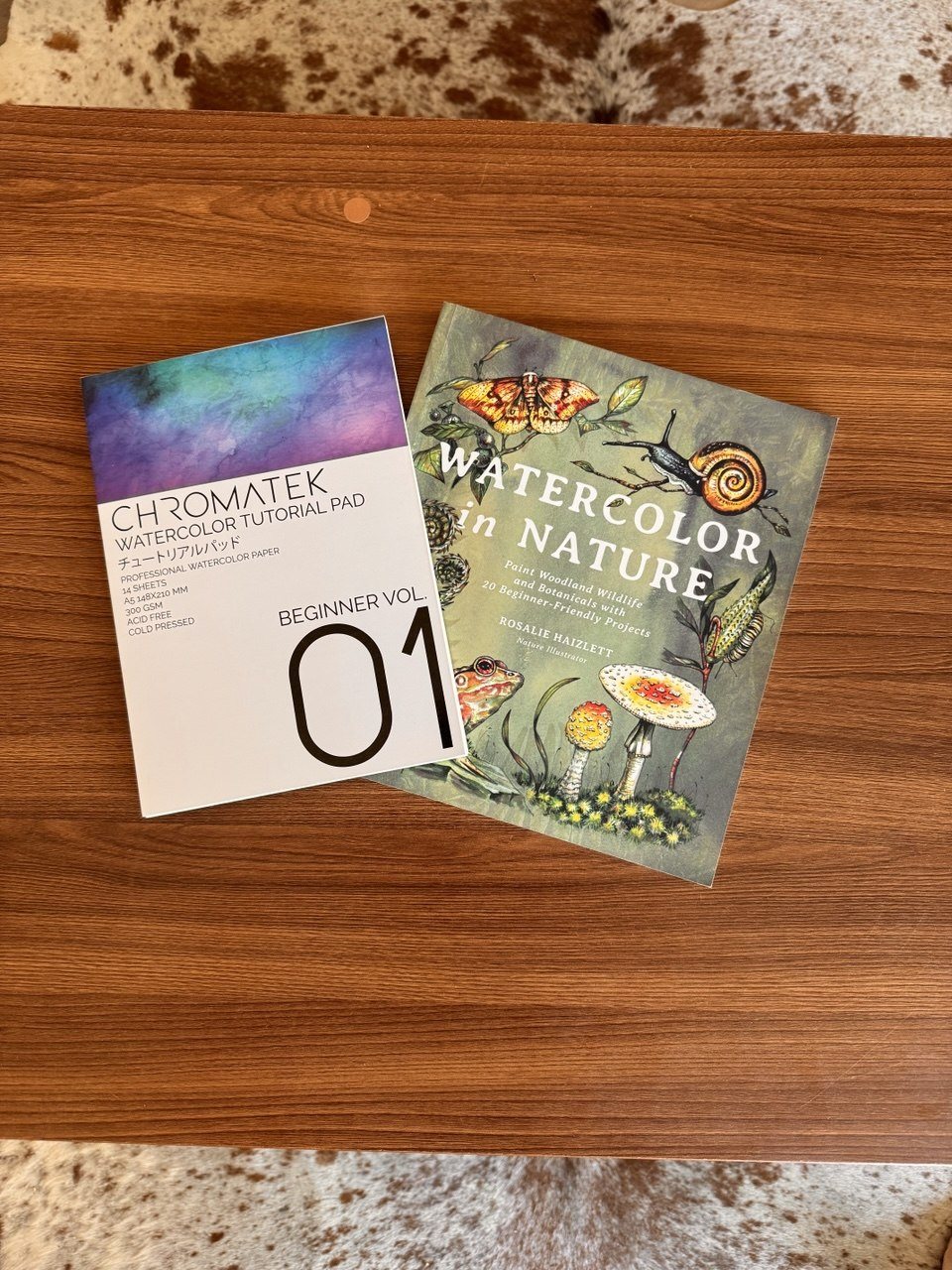
A few drawing and art resources we have used or enjoyed for lessons.
- Bestowing the Brush
- Drawing on the Right Side of the Brain — teacher's book and workbook
- The Laws Guide to Nature Drawing and Journaling
- The Usborne Art Treasury
- Watercolor in Nature
- Chromatek Watercolor Tutorial Pad
- How to Draw Step by Step: A Visual Guide to Realistic Drawing
- Pencil Drawing — Artist's Library Series
- Art for Kids Hub on YouTube
A small encouragement
If art lessons have felt intimidating, you do not need to begin with anything elaborate.
Choose one object. Set a timer for ten minutes. Let everyone try at their own level. The habit you are building is not perfection, but attention.
That careful attention — learning to really see — is part of the beauty of a Charlotte Mason education.
From My Curriculum Desk
I also want to begin sharing a brief note in each newsletter about what I am currently working on for Fostering Wonder.
Right now, I am working on Grade 6 History, which will focus on ancient history. I am doing a lot of reading and research to choose books that fit both the Fostering Wonder curriculum and the Charlotte Mason method. I am also thinking carefully about how to approach prehistoric history, including both the Stone Age framework and the pre-Flood perspective.
By middle school, I believe children can begin to encounter different ways of thinking with gentle parent support. My hope is to include one or two simple lessons that introduce the topic thoughtfully, while leaving room for parents to guide their children using their own resources, convictions, and family beliefs.
Warmly,
Scarlette
Fostering Wonder